Welcome to WordPress. This is your first post. Edit or delete it, then start writing!
Category: Uncategorized
-
Best Time for Scotland travel: Seasonal Guide for the Perfect Scottish Highlands Adventure 2025
Introduction: The Land of Enchantment Year-Round
Scotland captivates visitors with its dramatic landscapes, rich history, and vibrant culture regardless of when you visit. However, timing your Scottish adventure strategically can significantly enhance your experience. Whether you’re drawn to the misty highlands, historic cities, or remote islands, the timing of your visit will shape your experience in this enchanting country.
Spring in Scotland: A Season of Renewal
Enjoying Scotland’s Awakening Landscapes (March-May)
Spring brings Scotland to life with blooming landscapes and increasingly comfortable temperatures. This shoulder season offers several advantages for travellers seeking a balance of good weather and smaller crowds. From March to May, you’ll encounter fewer tourists at popular attractions like Edinburgh Castle and Loch Ness, while enjoying gradually warming temperatures ranging from 7-15°C (45-59°F). Longer daylight hours begin to stretch into the evening, illuminating vibrant wildflowers and lush greenery across the Highlands. April and May are perfect for wildlife enthusiasts as birds return and newborn animals appear throughout the countryside. Accommodation availability improves during spring with slightly reduced rates compared to the peak summer months. Notable events include the Edinburgh International Science Festival in April and the Spirit of Speyside Whisky Festival in late April/early May, offering cultural experiences without the summer crowds.
Summer in Scotland: The Peak Season Experience
Long Days and Vibrant Celebrations (June-August)
Summer delivers Scotland’s warmest weather and longest daylight hours but comes with higher visitor numbers and prices. From June to August, Scotland enjoys up to 18 hours of daylight in northern regions, creating extended opportunities for exploration and adventure. Temperatures average a pleasant 15-20°C (59-68°F), ideal for outdoor activities throughout the country. This is prime Highland Games season, where traditional Scottish competitions take place in communities large and small. All attractions operate with full hours during summer, making it easier to pack multiple sites into each day. The trade-off comes with higher accommodation prices and the necessity of booking well in advance, especially for popular destinations like Edinburgh during its festival season. Summer highlights include the world-famous Edinburgh Festival Fringe in August, the Royal Edinburgh Military Tattoo against the dramatic backdrop of Edinburgh Castle, and optimal conditions for exploring the stunning Isle of Skye and other remote locations that can be challenging to access in winter.
Autumn in Scotland: The Golden Season
A Photographer’s Paradise (September-November)
Many seasoned Scotland travellers consider autumn the perfect balance between decent weather and manageable crowd levels. From September to November, the Highlands transform into a photographer’s dream as foliage shifts to spectacular gold, amber, and russet hues. Temperatures remain comfortable, ranging from 8-15°C (46-59°F), while visitor numbers decline significantly after the summer peak. Wildlife viewing opportunities abound during the deer rutting season, when stags compete dramatically for mates across Highland landscapes. Atmospheric misty mornings create perfect conditions for photography, particularly in glens and around lochs. Autumn foliage typically peaks from late September to mid-October, coinciding with the Scottish International Storytelling Festival. The season also brings freshly harvested produce to seasonal menus and creates the perfect atmosphere for cozy pub experiences with roaring fires as evenings grow cooler.
Winter in Scotland: The Magical Off-Season
Snow-Capped Mountains and Festive Traditions (December-February)
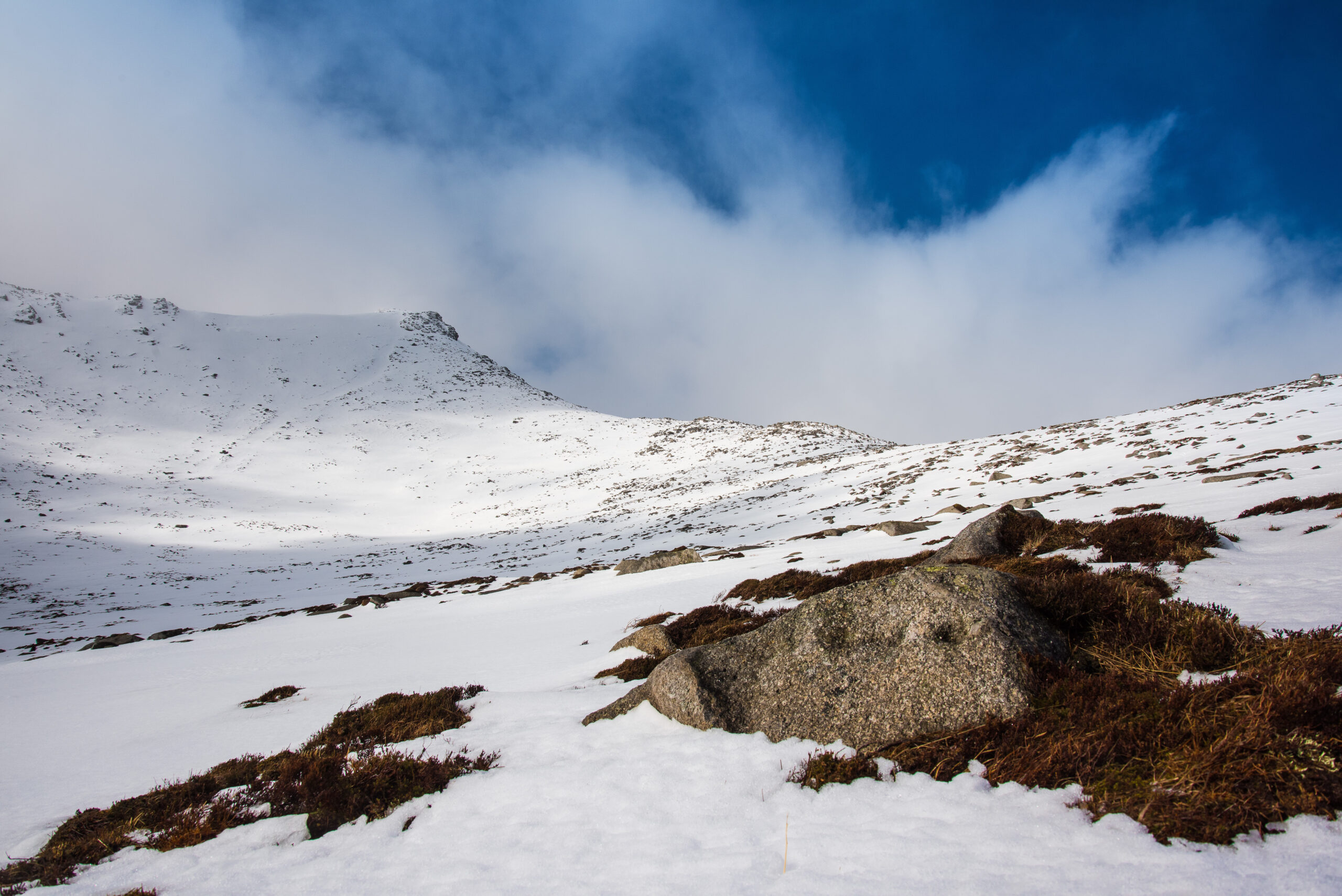
Winter transforms Scotland into a serene, sometimes dramatic landscape that offers unique experiences for off-season travellers. From December to February, snow-capped mountains create breathtaking scenery, especially in the Highlands, while tourist numbers reach their annual low at major attractions. Accommodation rates drop to their lowest of the year, offering excellent value for budget-conscious travellers. Traditional pubs become even more inviting with warm fires and excellent whisky selections to ward off the chill. Historic castles and sites take on a special atmospheric quality, often enhanced by frost or light snow. For active travellers, winter sports opportunities abound in the Cairngorms and other Highland areas. Winter highlights include the world-famous Hogmanay (New Year’s Eve) celebrations in Edinburgh, the unique Up Helly Aa fire festival in Shetland in January and Burns Night celebrations on January 25th honouring Scotland’s national poet. Lucky visitors to northern Scotland might even glimpse the Northern Lights during clear winter nights.
Weather Considerations: Preparing for Scotland’s Climate
Embracing the Changeable Scottish Weather
Scotland’s weather deserves special consideration when planning your visit, as it’s famously changeable in all seasons. Rain can occur year-round, with the west coast typically receiving more rainfall than the east. Packing layers is essential regardless of when you visit, as temperatures can fluctuate significantly even within a single day. Wind can be substantial, especially on coasts and in highland areas, making windproof outer layers a necessity. Snow is possible from late November through March, particularly in the Highlands, though major cities rarely experience significant accumulation. The infamous Scottish midges (tiny biting insects) affect summer travel primarily from late May through September, with the Western Highlands and islands most affected. These tiny nuisances are most active at dawn and dusk, especially after rainfall, and can detract from outdoor enjoyment in certain regions.
Regional Timing Guide: When to Visit Specific Areas
Optimizing Your Experience by Location
Different regions of Scotland each have their optimal visiting times. Edinburgh and Glasgow are most enjoyable in May and September when pleasant weather combines with smaller crowds. Festival enthusiasts should brave the August crowds and prices to experience Edinburgh’s unparalleled cultural offerings. December brings special Christmas markets and festivities to both cities. The Highlands showcase their most spectacular scenery from late September to mid-October when autumn colours transform the landscape. May to September offers optimal hiking conditions throughout the mountain regions, while those hoping to avoid midges should visit in April, early May, or October. Winter sports enthusiasts will find their paradise from December to February in the Cairngorms and other Highland ski areas. The Scottish Islands present their own timing considerations, with May to September offering the most frequent ferry services and reliable access. The northern Orkney and Shetland islands benefit from extended summer daylight, making May to August ideal for exploration. The Inner Hebrides are most enjoyable from April to June (before peak midge season) or in September when crowds thin, but weather remains relatively stable.
Conclusion: Finding Your Perfect Season
Matching Your Visit to Your Travel Priorities
The ideal time to visit Scotland ultimately depends entirely on your priorities and what you hope to experience. For travellers seeking fewer crowds while still enjoying reasonable weather, May and September-October offer the best compromise. Those prioritizing warmest temperatures and full access to all attractions should plan for June-August, despite higher costs. Budget-conscious travellers will find the lowest prices and a magical winter atmosphere from November to February, excluding the holiday periods. Photographers chasing colourful landscapes should target late September to mid-October when autumn foliage reaches its peak. And for those fascinated by Scotland’s northern latitude, June around the summer solstice delivers extraordinary extended daylight hours, with the far north experiencing the “simmer dim” where darkness never fully arrives. Whatever season you choose, Scotland rewards visitors with its timeless beauty, warm hospitality, and unforgettable experiences, making it a destination worth visiting in every season of the year.
If you would like to travel to Scotland and are looking for a customized private tour, contact us today for more information. Your dream Scotland trip is just a few clicks away!
-
What is the Coldest Month in Scotland?
What is the Coldest Month in Scotland?
Scotland generally experiences similar weather to the rest of the UK, and there is a fantastic range of seasonal events and attractions that occur all year round. However, if you are planning a trip to Scotland during the winter, you may be concerned about the somewhat notorious temperamental nature of Scottish weather. It is often said that you can experience all four seasons in one day in Scotland and, during winter, temperatures have been known to drop significantly. But what is the coldest month in Scotland?
The winter months of December, January and February tend to be the coldest months in Scotland, the coldest being February with an average temperature of -0.1°C. Temperatures average around six degrees celsius during the winter months, and the most snow falls during this time. The coldest temperature ever recorded in Scotland was in December 1995, when the temperature dropped to -27.2°C.
Keep reading to find out more about the weather during winter months when Scotland is at its coldest.
When is it Coldest in Scotland?
The weather in Scotland is renowned for its ability to change suddenly and dramatically. Typically speaking, the winter months of December, January and February tend to be the coldest, and temperatures average six degrees celsius. February is often found to be the coldest month to visit Scotland, as temperatures average -0.1°C. The coldest temperature ever recorded in Scotland was recorded in December 1995 in Altnaharra when the temperature dropped to -27.2°C.
The Far North of Scotland
It is worth mentioning that the further north you travel in Scotland, the closer you get to the Arctic Circle! This means that in the far north of Scotland, during winter, days are shorter, nights are longer and temperatures tend to drop lower than the rest of Scotland.
Is Scotland Colder than the Rest of the UK?
The weather in Scotland usually doesn’t differ too much from the rest of the UK, although temperatures are often slightly lower – especially in the far north – and it can be wetter, windier and more cloudy.
What are the Best Places in Scotland to Visit in Winter?
Of course, just because it gets cold doesn’t mean you shouldn’t visit! Even during the winter in Scotland, there are a multitude of fantastic places to visit and activities to do, including:
The Scottish Highlands
What better place to take in a stunning winter landscape than the Scottish Highlands? The breathtaking scenery is bound to leave you speechless, with mystical frost-bitten mountains and lochs.
Edinburgh Trips
Edinburgh during the winter has a number of city-wide events that are certain to provide entertainment and wonder for the whole family. Starting from Edinburgh also allows easy access to a variety of natural attractions in Scotland.
Glasgow Trips
Scotland’s rich history and stunning scenery is easily accessible from Glasgow. Immerse yourself in celtic culture or take a trip deep into the Highlands for the perfect winter photography opportunities. No matter what your desire, a winter trip from Glasgow has something special to offer.
Can You See the Northern Lights in Scotland?
The Aurora Borealis, commonly known as the Northern Lights, can be seen in Scotland, however they are not sighted regularly. Between the months of September and March is the time when you are most likely to see the Northern Lights, as the sky is darker and the nights are longer during the winter.
How Can I Prepare for Visiting Scotland in Winter?
To ensure that you have both a memorable and enjoyable trip to scotland during winter, there are a few things to consider:
- Footwear – Especially if you are hiking in Scotland in winter, it will be crucial to bring reliable and well-fitting footwear.
- Clothing – Ensure that you bring appropriate clothing to suit a range of weather conditions, such as a raincoat, thermals, gloves and warm hats.
- Spares – Bringing enough spare clothing in case your first set becomes wet is also good practice. This can help to prevent hypothermia if you are planning a long hike.
- Photography Equipment – If you are visiting Scotland to capture some of the fantastic winter landscapes, ensure you bring suitable camera gear such as multiple lenses, a tripod and a number of spare camera batteries to ensure you can capture the perfect photo.
- Weather Forecast – Keep an eye on a trustworthy weather forecast before your visit to get an idea of the conditions during your visit. However, it is worth remembering that Scottish weather has been known to change suddenly and dramatically!
If you are unsure about what to bring on a winter tour of Scotland, be sure to contact your tour guide to receive some more specific guidance on some of the winter essentials.
Book a Tour of Scotland in Winter with Alba Experiences
Scotland’s natural beauty and stunning winter scenery makes it the perfect destination for a winter getaway. Whether you are looking for an adventurous exploration of the Scottish Highlands, or a deep dive into Scottish culture, book a tour of Scotland in winter to enjoy a truly unforgettable experience.
-
Scotland’s hidden secrets.
There is something very exciting happening in Ayrshire right now. Often regarded as Scotland’s last known secret, Ayrshire is often passed by on the tourist must see checklist while on their holidays in Scotland. All this is about to change as the new Coig project has been designed to bring in more tourism to the Ayrshire coast.
Gaelic for ‘five’ – The Coig is a series of five touring routes around Ayrshire, the Clyde Coast and Clyde Islands of Arran, Bute and Cumbrae. Each route is designed to showcase the area’s natural beauty, outdoor adventure, history, heritage and nature. Perfect for everything from one day to multi day tours.
Being an Ayrshire lad myself, I am extremely excited about this new venture as we feel that tourists who visit Scotland will be adding their trips to Ayrshire as one of their highlights of their holiday.
I decided to download the app and to put it to the test as we wanted to see how user friendly it really is. First of all I planned to use the app for a 3 day tour of Ayrshire, following The Arran and The Shire routes that are available. First of all I was struck on how user friendly the app was. Within a couple of clicks I could easily find the best route that I wanted to take on my journey, and so our adventures had begun.
Our first stop on the Shire route is one of my favourite locations in Scotland, Alloway. This charming little suburb of Ayr is perhaps best known as the birthplace of Robert Burns, Scotland’s national poet. It is here that you can visit the famous Burns Cottage where he was born. Other famous landmarks included in his work are the Burns Monument and Memorial Gardens, The Brig o’ Doon and the ruins of Alloway Kirk where Roberts father William is buried. A visit to The Robert Burns Birthplace Museum is a must as it includes over 5,000 Burns artefacts including his handwritten manuscripts, the pistol he carried while an excise man and a lock of his hair. Whether you’re a die-hard Burnsian or brand new to the bard, a day immersing yourself here will open your eyes and ears to an enduring hero of Scotland’s literary heritage.
A short drive down the Ayrshire coast offers some stunning views over the Firth of Clyde and this is where we took our first glimpse of the tiny 19th century fishing village called Dunure. Dunure is perhaps most famous for its ruined castle that hangs on the sea cliffs. Although it has been a ruin for at least three hundred years, Dunure Castle was once the main fortress of the powerful Kennedy family, the Earls of Cassilis. Today the Kennedys are much more closely associated with Culzean Castle, less than four miles down the coast.
The village of Dunure and the Castle was also used in the TV show Outlander, appearing in seasons 3 and 4. The harbour was transformed into the port where Jamie and Claire once again meet Jared, and board the Artemis for their journey to Jamaica and the castle was used for the scenes where Claire and Jamie watch young Ian swim out to Silkies’ Island.
Culzean castle was our final location for the day as we followed the app route further down the coast. The castle itself is perched on the Ayrshire cliffs and was designed by the famous architect Robert Adam in the late 18th century. The castle is filled to the turrets with treasures that tell the stories of the people who lived here and guided tours are available. The castle also has strong link to President Eisenhower, as the top-floor apartment was presented to him for his lifetime in recognition of his role during World War II.
You could easily spend a full day exploring the castle and its beautiful gardens. If you are a keen walker, or enjoy admiring gardens, have an interest in architecture or just enjoy soaking up some history, this place is the perfect location for you.
Our next journey was something that I was getting really excited about as we were getting close to our Arran adventure. Visiting any one of Scotland’s islands is always a treat, but Arran for me is the jewel in the crown. Known to be called ‘Scotland in Miniature’, the north of the island is very mountainous and is home to the mighty Goatfell Mountain, and the south of the island is very flat and mainly used for agricultural use, which is very similar to the Scotland landscape.
I drove the short distance to the Cal Mac ferry terminal in Ardrossan and boarded the ferry that would take me to the Isle of Arran. A short 1 hour ferry ride and we had finally arrived in Brodick, dominated by the towering peak of Goatfell, it’s one of the largest and busiest settlements on Arran and is the main commercial centre and ferry port on the island.
My first job on arriving on the island was to find my accommodation for the night. Arran has a wide range of B&B’S, hotels and Airbnb’s to choose from. I decided to stay in an Airbnb in Brodick for the night which wasn’t far from the local shops to buy some supplies for the following day. It was a comfortable stay with beautiful views on offer. What more could I have asked for.
The next day I got myself kitted out and ready for an awesome days hike up Arrans most famous peak, Goatfell. This walk can also be found on The Coig app for those outdoor adventurers. The route begins with a path approximately 5km long each way from Brodick Castle, and reaches the summit by the east ridge of the mountain. A well guided path will take you through the forests and up to the very top of the mountain making it easier to follow for those who are visiting the area for the first time.
Even though Goatfell isn’t a Munroe (a Scottish mountain over 3000ft), it offers the most amazing panoramic views of the surrounding areas from its summit. To the west you can see the Paps of Jura and to the east you can see the entire Ayrshire coast. Even when you look south the ancient volcanic plug of Ailsa Craig comes into view as well as the coast of Northern Ireland. I have always loved the great outdoors and to get out there and breathe in the fresh air as I scale a mountain, for me there is no greater feeling. I managed to walk the entire route in less than 5 hours at a nice leisurely pace. This allowed me to sit down and enjoy the views and to take some nice photographs along the way. On the way back down the mountain as you follow the same route, you can visit the Arran Brewery or sit and reward yourself with a nice refreshment at the Wineport. These two are very popular locations for hillwalkers who have just climbed the mountain.
After the walk I decided that the day was still young and there could be more locations I could visit. I decided to follow the Wild and Free route on The Coig app through the north coast of Arran which would take me to some amazing places across the island.
One of the first locations I came across was Lochranza Castle. It sits on a peninsula overlooking the village of Lochranza, and extending into the beautiful Loch Ranza itself. Steeped in history, Robert the Bruce is said to have landed at Lochranza Castle en-route from Ireland to take the Scottish Throne.
The exploring continued and I took the journey towards one of Arrans hidden gems, The Machrie Standing Stones. What a site to behold! A Neolithic centre of ritual and domestic activity, scattered across a lonely moorland all dating to between 3500 and 1500 BC. There are many standing stones in Scotland but for me these group of stones have to be the most beautiful as they lie on an open moorland surrounded by sheep with the Arran mountain ranges sitting away in the distance. Rumours of glowing lights during the evening hours in this area of Arran are common and they continue to attract people from all over the world not only because of how ancient they are but also how mysterious they are to many.
Night was creeping in and I decided to call it a day and head back to Brodick for a decent feed and kip. The time was 7pm and my stomach was truly rumbling so one click of the app and a list of cafes and restaurants easily appeared on front of me. I decided having lost 4000 calories from today’s exploits, I could treat myself and have a nice pizza. What a great find it was at The Parlour. Smiling staff and the best pizza in the country makes this little place a must visit. You can even have some of Arrans Ice Cream to finish the day off in style.
Another day gone and only one left to go. Where did all the time disappear to? One things for sure is that the app has really helped make this trip more enjoyable and stress free.
No trip to Arran is ever complete till you visit the stunning Brodick Castle. This castle was once a fortress to be reckoned with due to its strategic position overlooking the Firth of Clyde. My time exploring Brodick Castle was great, the Castle Gardens are absolutely stunning especially when the weather is great. After two years of refurbishment, the castle has reopened with an exciting new visitor experience, focusing on the stories of the people who once lived here, and with interactive activities to bring the building to life.
Following the app I was able to journey towards the south side of Arran taking in the lovely seaside villages of Lamlash and Whiting Bay. The views across the Firth of Clyde from here were amazing, especially with the Holy Isle being so close.
The highlight of the day was visiting the brand new Lagg Distillery. It opened to the public in June 2019, and is a new distillery on the Isle of Arran offering distillery tours, whisky tastings and much more. I cannot thank the staff enough for their kind generosity and hospitality. They really made my visit here so enjoyable. It is now the second distillery opened on the Isle of Arran by renowned whisky makers Isle of Arran Distillers Ltd. The Lagg Distillery is a peated whisky distillery offering tours and a taste of their new make spirit as well as exclusive peated drams produced at their sister Lochranza Distillery, based on the northern tip of the Isle of Arran. The distillery itself is a beautiful building and has a very friendly feel about the place. It also boasts a charming restaurant that offers a fine menu and amazing views over the Firth of Clyde.
Time was running out which made me a little sad as I had such an amazing time on the island. One more stop had to be the Kings Caves, a place I had never been to for over 10 years. It was the perfect way to say goodbye as I strolled along the superb coastal path, enjoying the impressive views of Drumadoon Bay and the surrounding scenery. The King’s Caves is located around 2.5kms north of the carpark and is one of several locations in which Robert the Bruce is said to have had his famed encounter with a spider. The perfect way to end my time in Arran.
My overall experience on the Isle of Arran and the Ayrshire coast was brilliant and using the Coig app made it an even better experience which I am sure will be a big hit with future tourists visiting the area. Over time I am sure that this will do wonders for tourism in Ayrshire and to help unfold the hidden gems that the area has to offer.