Category: Scottish Weather

  • Does it Snow in Scotland?

    Does it Snow in Scotland?

    Does it Snow in Scotland?

    When imagining Scotland in the winter, are you picturing snowy landscapes and twinkling city lights? You might be curious to learn more about Scotland’s climate before booking a trip. Although the weather is known to be unpredictable during the winter, it is very rare that Scotland experiences extreme weather. So, does it snow in Scotland?

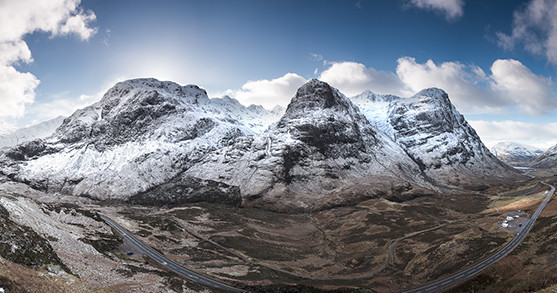
    On average, there are 38 days of snow in Scotland, with 26 of those days resulting in settled snow. Primarily in the northern mountainous areas, snow tends to arrive in Scotland during the winter months from December through to February. Further south and in cities such as Glasgow and Edinburgh, snow tends to melt much faster than in the north.

    Keep reading to find out more about snowfall in Scotland, and what an average winter looks like. 


    What are Winters Like in Scotland?

    Between the months of December and February, Scotland tends to experience colder and shorter days than the rest of the UK. Despite the drop in temperature, Scotland’s climate is still considered to be fairly mild. With that being said, it is not uncommon for a white blanket to fall over the north of Scotland during winter months, and snow has been known to arrive early in November, or even as late as March/April.

    Average Temperatures in Scotland

    Unlike some countries, Scotland does not have a wet or dry season, and instead rainfall is fairly consistent throughout the year. For warmer months, the temperature tends to sit around 18°C, and the colder months average 0°C. In Scotland, it is generally colder, windier and wetter than in England. 

    Do Scottish Cities Get Snow?

    It is generally rare that snow will fall and stick in Scottish cities like Edinburgh. Positioned on the West Coast of Scotland, it is also highly unlikely that Glasgow will receive snow at all throughout the year. If there is any snowfall, the mild climate prevents any snow from staying for extended periods of time. So, if you are planning a city break for winter in Scotland, it is unlikely you will be getting much snow. Further north, however, in the city of Inverness, temperatures tend to be far colder and snowfall more likely during winter months. 


    Where in Scotland Gets the Most Snow?

    The colder climate in the north of Scotland means that snow is far more likely, and will often stay for the duration of winter. If you are looking for a stunning snowy landscape in Scotland, you are best heading to Cairngorms National Park. With an average of 76 days of snowfall a year, the Cairngorms are a great destination for skiing, hiking, and photography opportunities

    In the area of Glenshee, the average snowfall is 60 days a year, and also boasts the largest ski resort in Scotland. In easy reach of Aberdeen, Dundee and Edinburgh, Glenshee offers a wide range of activities for all outdoor adventure enthusiasts.


    What is There to Do When it Snows in Scotland?

    Winter is a brilliant time to visit Scotland to experience the beauty of snowy landscapes and breathtaking scenery. Here are some of the best things to do in Scotland during the winter:

    The Northern Lights

    The Aurora Borealis is viewable from some of the northern parts of Scotland. Primarily observed between 60°-75° latitude, winter is a great chance to see the Northern Lights. Similarly, the conditions in the north of Scotland are ideal for stargazing due to the lack of light pollution. The best places to see the Northern Lights include the Outer Hebrides, the Cairngorms, and the Isle of Skye.

    Winter Wildlife

    Taking a long hike through the stunning winter scenery of Scotland promises the chance to see a range of wildlife including foxes, mountain hares, and red squirrels. It is also more likely that you will spot red deer as they descend from the colder slopes in search of food and warmth. At night, you may also be able to spot bats, badgers and hedgehogs. 

    Winter Events

    Winter in Scotland is not just characterised by snowy landscapes and winter sports, however. Due to the lack of substantial snow disruption, cities such as Edinburgh, Glasgow and Aberdeen are full of winter festivities and celebrations. On the 25th of January, Burn’s Night is widely celebrated across the country to remember the poet Robert Burns.


    Book a Tour of Scotland for Winter

    Explore the scenic Scottish Winter landscapes with a tour of the highlands, or book on a photography tour to take advantage of the snowy scenes. We offer a range of tours through stunning Scottish areas, giving you a chance to fully immerse yourself in the local culture. Contact us today to find out more about our wide range of tours and experiences.
  • What Is The Best Month To Visit Scotland?

    What Is The Best Month To Visit Scotland?

    What Is The Best Month To Visit Scotland?

    If you are planning a visit to Scotland, you might be wondering what the best month to visit is. As Scotland is bordered mainly by coastline, the weather is never guaranteed. Throughout the year however, there are a variety of festivals and celebrations, with some cities becoming swarmed by tourists. It is therefore important that before you visit Scotland, you consider the advice below. So, what is the best month to visit Scotland?

    Spring and summer in Scotland bring the best weather and most festivals that Scotland sees all year. During winter months, you can expect cold weather and the popular celebrations of Burns night and Hogmanay. The weather begins to improve in Spring, and the Scottish Isles become a popular tourist destination. Summer brings with it the promise of midges, but also popular Edinburgh festivals such as the Fringe and the Military Tattoo. When Autumn comes around, you can expect picturesque foliage and Scotland’s most famous highland games, the Braemar Gathering. 

    Keep reading to find out more about Scotland’s seasonal trends including the wide range of festivals, and find the perfect time to visit. 


    What Is A Year Like In Scotland?

    While there will always be things to do in Scotland during your visit, it may be worth considering some of the general trends in weather and tourism below before you book a trip. This way you can make sure that you will be getting a trip best suited to your interests and travel preferences.

    December – February

    If you visit Scotland during the winter months, you can expect challenging weather conditions. When planning a hiking trip in Scotland for the winter, it will be essential that you come prepared with reliable cold-weather gear, such as a durable pair of walking boots. 

    The landscapes that are produced from the cold weather present the perfect opportunity for photographers wishing to capture the beauty of the highlands. Similarly, during the off season you can expect the number of tourists to be minimal. 

    The popular celebration of Burns Night happens on the 25th of January, in celebration of the national poet Robert Burns. Hogmanay is a Scottish festival that marks the New Year, and is also an extremely popular celebration.

    March – May

    In Spring, the weather begins to improve in Scotland. While not all businesses will have reopened following the winter, a number of people frequently visit the Scottish Isles, especially during the months of April and May. 

    Snow should only be remaining on the Highlands and Cairngorms, and most ski resorts in the West Highlands close. April is typically the driest month for Edinburgh, and also brings the festival known as ‘Beltane’, a pagan fire festival.

    June – August

    The Summer months bring a number of large festivals to Scotland, not least the Edinburgh Fringe Festival, one of the most popular festivals in Scotland. The Fringe festival usually coincides with the Edinburgh Military Tattoo, which means that you can expect large crowds of tourists in Edinburgh during August. 

    The weather in Scotland is the best it ever gets during these months, however it is worth noting that the dreaded Scottish midges make their return during June.

    September – November

    September tends to be the wettest month in Scotland, and temperatures begin to drop. Schools also return, although you can still expect a busy period for tourism. While the weather may be taking a turn for the worse, there is no shortage of attractions, such as the Braemar Gathering, the most famous of Scotland’s Highland games. The autumn foliage also transforms Scotland into a sea of colours, and the slightly drier month of October offers quiet and scenic conditions for hikers.


    What Is The Cheapest Time Of Year To Visit Scotland?

    If you are looking to travel on a budget, Scotland offers a wide range of travel opportunities that don’t require you to spend large sums of money. For example, during the off season from November through to mid-March, you can expect less crowds, cheaper accommodation prices and more freedom to explore. The only exception to this rule is over the Christmas period, when Scotland becomes very busy in certain areas


    Book A Tour Of Scotland

    No matter what time of year you are looking to book a visit to Scotland, we offer a range of tours suitable for everyone. Take a look at our available tours and contact us for more information or to make a booking.

  • Where is the Sunniest Place in Scotland?

    Where is the Sunniest Place in Scotland?

    Scotland’s weather is often considered to be quite changeable, and visitors often describe experiencing all four seasons in one day. While the climate itself is actually fairly moderate when compared with other countries in Europe, it is certainly true that some areas of Scotland have experienced more rainfall and lower temperatures than others. So, where is the sunniest place in Scotland?

    Voted as the best place to live in Scotland in 2019 by the Sunday Times, the coastal city of Dundee is often cited as being the most consistently sunny place in the whole of Scotland. Dundee sees an average of 1,523 hours of sunshine per year, and was also named as Scotland’s driest city in 2018. 

    Keep reading to find out where the sunniest place in Scotland is, what a summer in Scotland is like, and how you can best prepare for your visit. 


    The Sunniest Place in Scotland

    Officially, the sunniest month that Scotland has ever experienced occurred on the island of Tiree. During May 1946, Tiree received 329 hours of sunshine. This record has yet to be beaten, however Dundee is consistently recognised as the sunniest place in Scotland. In the winter of 2018-2019, Dundee was recorded as receiving more winter sun than anywhere else in the country during the winter months from December to February. During this time, Dundonians received just over 220 hours of sunshine, which is the third-sunniest winter in Dundee since James Hutton Institute records began in 1954. 

    Scotland’s east coast frequently receives far less rainfall than the west coast, making it a more favourable destination for holidaymakers.


    What is Summer in Scotland like?

    June, July and August all tend to deliver the warmest temperatures and sunniest conditions in Scotland compared to the rest of the year, with temperatures typically ranging from 15-17°C. Greycrook, near Kelso, currently holds the record for the highest temperature in Scotland with 32.9°C recorded in August 2003. Due to Scotland’s high latitude, summer days tend to be longer than other areas of the UK. For one day a year, during midsummer, the Northern Isles of Scotland can experience four hours more daylight than London.

    Glasgow

    Glaswegian summers tend to last for around three months, with temperatures averaging highs of 16°C. Usually, the hottest month for Glasgow is July with an average high of 19°C. 

    Edinburgh

    The average high temperature for Edinburgh during the summer is 19°C, with the hottest months being July and August. While temperatures have been known to reach 31°C, Edinburgh tends to experience fairly mild summers.

    Isle of Skye

    The Isle of Skye usually experiences slightly colder summers compared to Edinburgh and Glasgow, with the hottest month of July bringing high temperatures of 13°C. 


    Best Places to Visit During Summer

    Just south of Edinburgh, the coastal town of Dunbar also boasts higher temperatures and lower rainfall than other parts of Scotland, and is even referred to by some as ‘Sunny Dunny’. With picturesque beaches, eateries, and shops, Dunbar is enjoyed by many both local and non-local visitors during summer months. For more scenic landscapes in Scotland, the Isle of Skye also offers the perfect getaway for budding photographers and hikers alike.


    How to Prepare for Your Visit to Scotland

    When you are booking your trip to Scotland, it is important to make sure that you are prepared. Otherwise, you could be caught in difficult weather conditions without the right clothing to keep yourself warm and dry.

    ‘There’s no such thing as bad weather, just the wrong clothing’. – Billy Connolly

    Check the Weather

    No matter where you are visiting in Scotland, be sure to check the Met Office before your visit. This should give you accurate information regarding the predicted weather conditions during your stay.

    Pack the Right Clothing

    Once you have checked the weather forecast, you should get a general idea of what the weather conditions should be like during your stay. However, as mentioned above, the Scottish climate is nothing if not changeable! Remember to pack suitable clothing so that you are prepared for a range of conditions.  

    Midge Protection

    Midges are particularly prevalent in Scotland during the summer months. If you are looking to avoid midges, you should endeavour to visit windy, dry and warm areas of Scotland. 


    Book your Tour of Scotland Today

    If you are looking for a summer getaway to explore some of the most scenic areas of Scotland, be sure to contact us today. James, your tour guide, has extensive experience with providing his clients with top-quality experiences. Take a look at our full range of available tours on our website to find your perfect trip.