Welcome to WordPress. This is your first post. Edit or delete it, then start writing!
Author: KevP
-
Best Time for Scotland travel: Seasonal Guide for the Perfect Scottish Highlands Adventure 2025
Introduction: The Land of Enchantment Year-Round
Scotland captivates visitors with its dramatic landscapes, rich history, and vibrant culture regardless of when you visit. However, timing your Scottish adventure strategically can significantly enhance your experience. Whether you’re drawn to the misty highlands, historic cities, or remote islands, the timing of your visit will shape your experience in this enchanting country.
Spring in Scotland: A Season of Renewal
Enjoying Scotland’s Awakening Landscapes (March-May)
Spring brings Scotland to life with blooming landscapes and increasingly comfortable temperatures. This shoulder season offers several advantages for travellers seeking a balance of good weather and smaller crowds. From March to May, you’ll encounter fewer tourists at popular attractions like Edinburgh Castle and Loch Ness, while enjoying gradually warming temperatures ranging from 7-15°C (45-59°F). Longer daylight hours begin to stretch into the evening, illuminating vibrant wildflowers and lush greenery across the Highlands. April and May are perfect for wildlife enthusiasts as birds return and newborn animals appear throughout the countryside. Accommodation availability improves during spring with slightly reduced rates compared to the peak summer months. Notable events include the Edinburgh International Science Festival in April and the Spirit of Speyside Whisky Festival in late April/early May, offering cultural experiences without the summer crowds.
Summer in Scotland: The Peak Season Experience
Long Days and Vibrant Celebrations (June-August)
Summer delivers Scotland’s warmest weather and longest daylight hours but comes with higher visitor numbers and prices. From June to August, Scotland enjoys up to 18 hours of daylight in northern regions, creating extended opportunities for exploration and adventure. Temperatures average a pleasant 15-20°C (59-68°F), ideal for outdoor activities throughout the country. This is prime Highland Games season, where traditional Scottish competitions take place in communities large and small. All attractions operate with full hours during summer, making it easier to pack multiple sites into each day. The trade-off comes with higher accommodation prices and the necessity of booking well in advance, especially for popular destinations like Edinburgh during its festival season. Summer highlights include the world-famous Edinburgh Festival Fringe in August, the Royal Edinburgh Military Tattoo against the dramatic backdrop of Edinburgh Castle, and optimal conditions for exploring the stunning Isle of Skye and other remote locations that can be challenging to access in winter.
Autumn in Scotland: The Golden Season
A Photographer’s Paradise (September-November)
Many seasoned Scotland travellers consider autumn the perfect balance between decent weather and manageable crowd levels. From September to November, the Highlands transform into a photographer’s dream as foliage shifts to spectacular gold, amber, and russet hues. Temperatures remain comfortable, ranging from 8-15°C (46-59°F), while visitor numbers decline significantly after the summer peak. Wildlife viewing opportunities abound during the deer rutting season, when stags compete dramatically for mates across Highland landscapes. Atmospheric misty mornings create perfect conditions for photography, particularly in glens and around lochs. Autumn foliage typically peaks from late September to mid-October, coinciding with the Scottish International Storytelling Festival. The season also brings freshly harvested produce to seasonal menus and creates the perfect atmosphere for cozy pub experiences with roaring fires as evenings grow cooler.
Winter in Scotland: The Magical Off-Season
Snow-Capped Mountains and Festive Traditions (December-February)
Winter transforms Scotland into a serene, sometimes dramatic landscape that offers unique experiences for off-season travellers. From December to February, snow-capped mountains create breathtaking scenery, especially in the Highlands, while tourist numbers reach their annual low at major attractions. Accommodation rates drop to their lowest of the year, offering excellent value for budget-conscious travellers. Traditional pubs become even more inviting with warm fires and excellent whisky selections to ward off the chill. Historic castles and sites take on a special atmospheric quality, often enhanced by frost or light snow. For active travellers, winter sports opportunities abound in the Cairngorms and other Highland areas. Winter highlights include the world-famous Hogmanay (New Year’s Eve) celebrations in Edinburgh, the unique Up Helly Aa fire festival in Shetland in January and Burns Night celebrations on January 25th honouring Scotland’s national poet. Lucky visitors to northern Scotland might even glimpse the Northern Lights during clear winter nights.
Weather Considerations: Preparing for Scotland’s Climate
Embracing the Changeable Scottish Weather
Scotland’s weather deserves special consideration when planning your visit, as it’s famously changeable in all seasons. Rain can occur year-round, with the west coast typically receiving more rainfall than the east. Packing layers is essential regardless of when you visit, as temperatures can fluctuate significantly even within a single day. Wind can be substantial, especially on coasts and in highland areas, making windproof outer layers a necessity. Snow is possible from late November through March, particularly in the Highlands, though major cities rarely experience significant accumulation. The infamous Scottish midges (tiny biting insects) affect summer travel primarily from late May through September, with the Western Highlands and islands most affected. These tiny nuisances are most active at dawn and dusk, especially after rainfall, and can detract from outdoor enjoyment in certain regions.
Regional Timing Guide: When to Visit Specific Areas
Optimizing Your Experience by Location
Different regions of Scotland each have their optimal visiting times. Edinburgh and Glasgow are most enjoyable in May and September when pleasant weather combines with smaller crowds. Festival enthusiasts should brave the August crowds and prices to experience Edinburgh’s unparalleled cultural offerings. December brings special Christmas markets and festivities to both cities. The Highlands showcase their most spectacular scenery from late September to mid-October when autumn colours transform the landscape. May to September offers optimal hiking conditions throughout the mountain regions, while those hoping to avoid midges should visit in April, early May, or October. Winter sports enthusiasts will find their paradise from December to February in the Cairngorms and other Highland ski areas. The Scottish Islands present their own timing considerations, with May to September offering the most frequent ferry services and reliable access. The northern Orkney and Shetland islands benefit from extended summer daylight, making May to August ideal for exploration. The Inner Hebrides are most enjoyable from April to June (before peak midge season) or in September when crowds thin, but weather remains relatively stable.
Conclusion: Finding Your Perfect Season
Matching Your Visit to Your Travel Priorities
The ideal time to visit Scotland ultimately depends entirely on your priorities and what you hope to experience. For travellers seeking fewer crowds while still enjoying reasonable weather, May and September-October offer the best compromise. Those prioritizing warmest temperatures and full access to all attractions should plan for June-August, despite higher costs. Budget-conscious travellers will find the lowest prices and a magical winter atmosphere from November to February, excluding the holiday periods. Photographers chasing colourful landscapes should target late September to mid-October when autumn foliage reaches its peak. And for those fascinated by Scotland’s northern latitude, June around the summer solstice delivers extraordinary extended daylight hours, with the far north experiencing the “simmer dim” where darkness never fully arrives. Whatever season you choose, Scotland rewards visitors with its timeless beauty, warm hospitality, and unforgettable experiences, making it a destination worth visiting in every season of the year.
If you would like to travel to Scotland and are looking for a customized private tour, contact us today for more information. Your dream Scotland trip is just a few clicks away!
-
Explore Edinburgh’s Seasonal Wonders: Winter and Spring Experiences
Edinburgh transforms beautifully through the winter and spring months, offering travellers a blend of magical experiences that capture the city’s historic charm and vibrant culture. From frosty castle views to blooming gardens, here’s your ultimate guide to experiencing the Scottish capital during these enchanting seasons.
Winter Wonderland: Embracing Edinburgh’s Cold Season
- Hogmanay Celebrations
Edinburgh’s New Year’s celebration, known as Hogmanay, is legendary. The city comes alive with:
- Spectacular street parties across the city.
- The Hogmanay fireworks display over Edinburgh Castle.
- Traditional Scottish ceilidh dances.
- Torchlight processions that illuminate the winter nights.
- Winter Festivals and Events
There is plenty going on in Edinburgh during the winter:
- Edinburgh’s Christmas Market at Princes Street Gardens transforms the city centre into a festive wonderland.
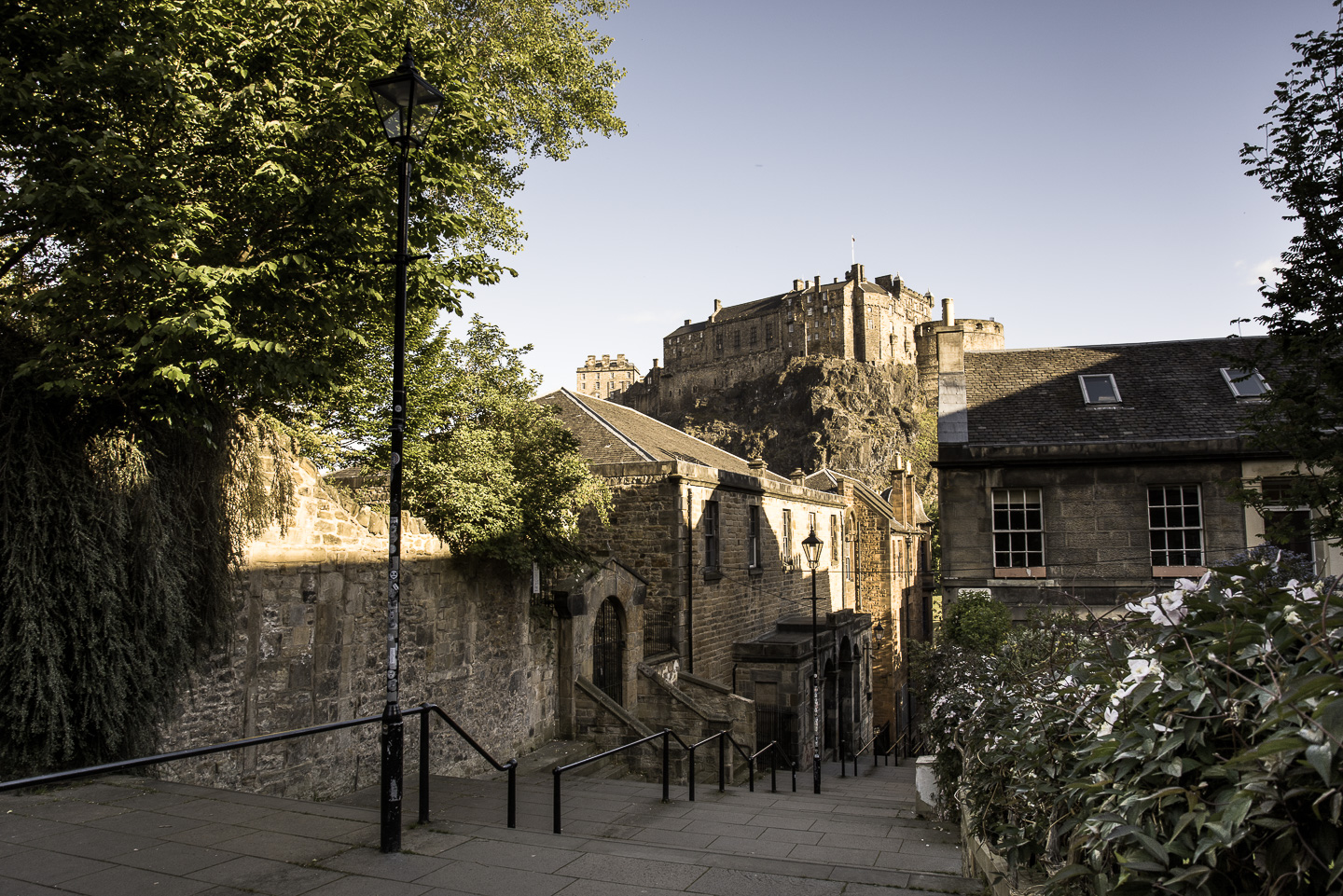
- Ice skating rinks pop up around the city, with the most picturesque located beneath Edinburgh Castle.
- The Royal Botanic Garden hosts magical light installations during the Winter Illuminations.
- Cosy Pub Experiences
When the winter sets in, Edinburgh’s historic pubs become havens of warmth:
- The Castle Arms, a warm and friendly atmosphere offering delicious food and a wide range of beverages and whiskies.
- The Scotch Whisky Experience provides friendly tours and tastings.
- Traditional pubs like The White Hart Inn at the Grassmarket offer traditional music and local ales.
- Explore Edinburgh Castle in the winter
Edinburgh Castle takes on a magical quality in winter:
- Fewer crowds mean more intimate exploration.
- Snow-dusted medieval architecture creates breath-taking photo opportunities.
- Special winter tours reveal hidden historical insights.
Spring in the capital: Edinburgh’s Renewal
- Blooming Gardens and Parks
Spring breathes new life into Edinburgh’s stunning gardens:
- Royal Botanic Garden bursts with cherry blossoms and spring daffodils.
- Holyrood Park transforms with vibrant wildflowers and excellent walking opportunities.
- The Woodlands become a sea of pink with cherry blossom trees.
- Hosts talks by international scientists.
- Transforms the city into a hub of scientific discovery.
- Outdoor Adventures
As winter slowly fades and the days grow longer and warmer:
- Hiking Arthur’s Seat becomes more enjoyable for those stunning panoramic views of Edinburgh.
- Explore the hidden treasures of Edinburgh with our friends at Old Town Walking Tours.
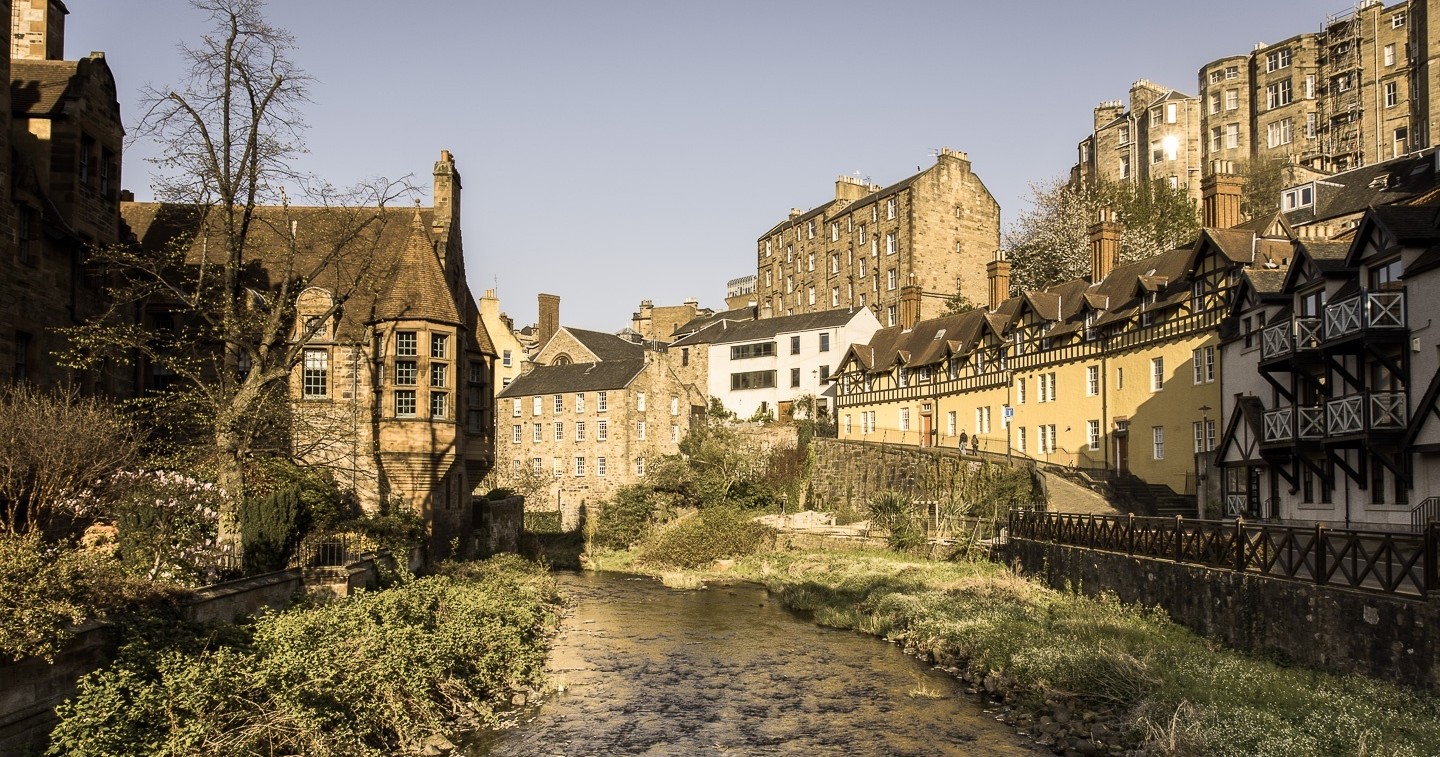
- Take a walk into the beautiful Dean Village for those picture-perfect opportunities.
- Take the short walk to Calton Hill for the best panoramic views of the Old and New towns of Edinburgh.
Practical Travel Tips
Clothing
- Plenty of layers – Edinburgh weather can be unpredictable.
- A warm waterproof jacket is essential.
- Comfortable walking shoes and cosy socks for those cobblestone streets.
The Best Time to Visit Edinburgh
- Winter: December to February for festive experiences.
- Spring: March to May for milder weather and blooming landscapes and fewer crowds.
Money-Saving Hints
- Many attractions offer reduced winter rates. Look into purchasing the Explorer Pass for entrance to many Historic Scotland sites, including Edinburgh Castle.
- Look for combination tickets for multiple attractions.
- Consider buying direct through the company’s website rather than 3rd party booking platforms for cheaper deals.
Final Thoughts
Whether you’re watching snowflakes drift over medieval architecture or witnessing spring’s first blooms, Edinburgh offers a magical experience in these transitional seasons. Each moment tells a story of Scotland’s rich history and vibrant present.
Pro Tip: Always check local event calendars, as Edinburgh’s cultural scene is always evolving, with surprises around every cobblestone corner. Be sure to purchase tickets for key events well in advance as tickets tend to sell out fast.
Edinburgh Castle -
What is the Coldest Month in Scotland?
What is the Coldest Month in Scotland?
Scotland generally experiences similar weather to the rest of the UK, and there is a fantastic range of seasonal events and attractions that occur all year round. However, if you are planning a trip to Scotland during the winter, you may be concerned about the somewhat notorious temperamental nature of Scottish weather. It is often said that you can experience all four seasons in one day in Scotland and, during winter, temperatures have been known to drop significantly. But what is the coldest month in Scotland?
The winter months of December, January and February tend to be the coldest months in Scotland, the coldest being February with an average temperature of -0.1°C. Temperatures average around six degrees celsius during the winter months, and the most snow falls during this time. The coldest temperature ever recorded in Scotland was in December 1995, when the temperature dropped to -27.2°C.
Keep reading to find out more about the weather during winter months when Scotland is at its coldest.
When is it Coldest in Scotland?
The weather in Scotland is renowned for its ability to change suddenly and dramatically. Typically speaking, the winter months of December, January and February tend to be the coldest, and temperatures average six degrees celsius. February is often found to be the coldest month to visit Scotland, as temperatures average -0.1°C. The coldest temperature ever recorded in Scotland was recorded in December 1995 in Altnaharra when the temperature dropped to -27.2°C.
The Far North of Scotland
It is worth mentioning that the further north you travel in Scotland, the closer you get to the Arctic Circle! This means that in the far north of Scotland, during winter, days are shorter, nights are longer and temperatures tend to drop lower than the rest of Scotland.
Is Scotland Colder than the Rest of the UK?
The weather in Scotland usually doesn’t differ too much from the rest of the UK, although temperatures are often slightly lower – especially in the far north – and it can be wetter, windier and more cloudy.
What are the Best Places in Scotland to Visit in Winter?
Of course, just because it gets cold doesn’t mean you shouldn’t visit! Even during the winter in Scotland, there are a multitude of fantastic places to visit and activities to do, including:
The Scottish Highlands
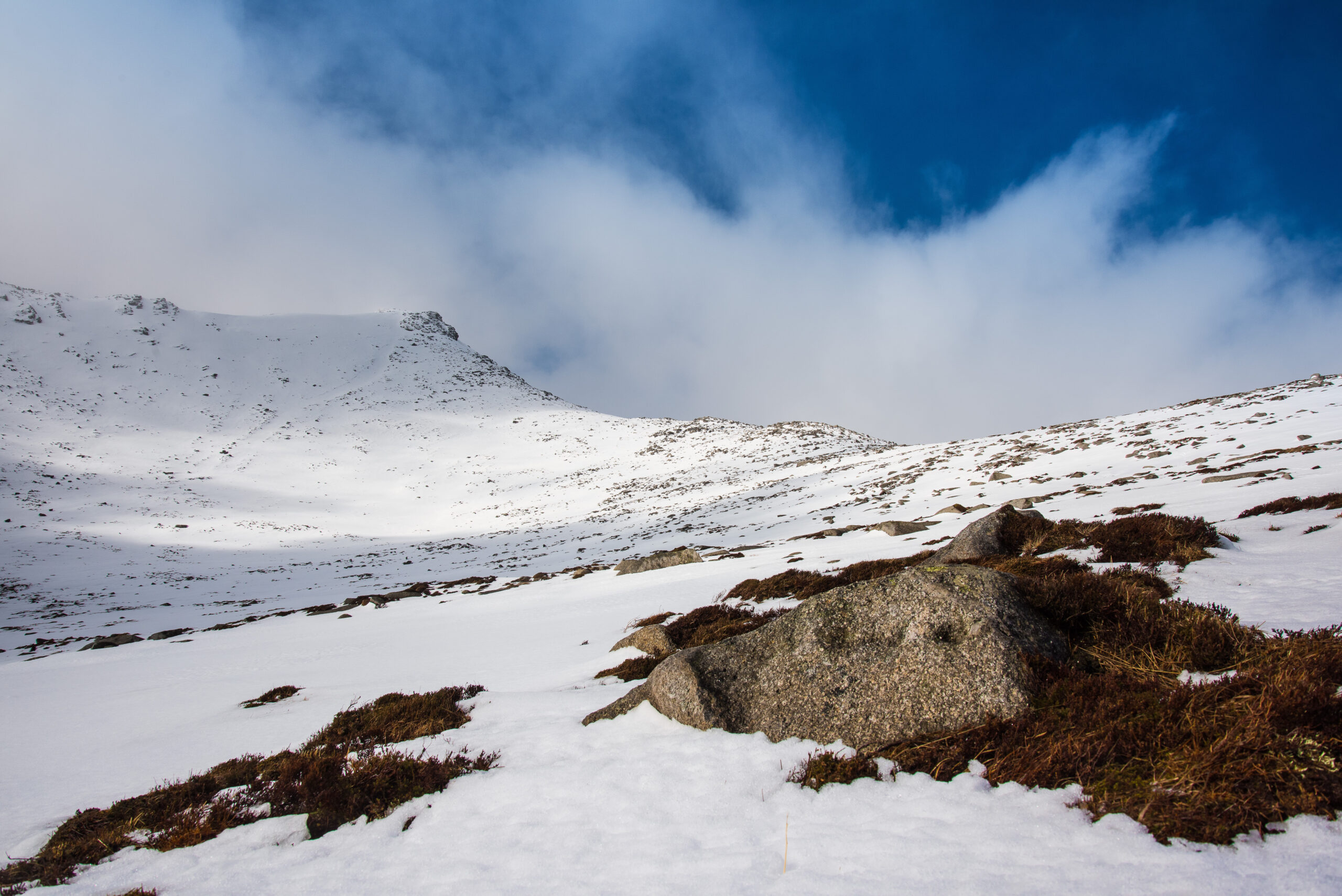
What better place to take in a stunning winter landscape than the Scottish Highlands? The breathtaking scenery is bound to leave you speechless, with mystical frost-bitten mountains and lochs.
Edinburgh Trips
Edinburgh during the winter has a number of city-wide events that are certain to provide entertainment and wonder for the whole family. Starting from Edinburgh also allows easy access to a variety of natural attractions in Scotland.
Glasgow Trips
Scotland’s rich history and stunning scenery is easily accessible from Glasgow. Immerse yourself in celtic culture or take a trip deep into the Highlands for the perfect winter photography opportunities. No matter what your desire, a winter trip from Glasgow has something special to offer.
Can You See the Northern Lights in Scotland?
The Aurora Borealis, commonly known as the Northern Lights, can be seen in Scotland, however they are not sighted regularly. Between the months of September and March is the time when you are most likely to see the Northern Lights, as the sky is darker and the nights are longer during the winter.
How Can I Prepare for Visiting Scotland in Winter?
To ensure that you have both a memorable and enjoyable trip to scotland during winter, there are a few things to consider:
- Footwear – Especially if you are hiking in Scotland in winter, it will be crucial to bring reliable and well-fitting footwear.
- Clothing – Ensure that you bring appropriate clothing to suit a range of weather conditions, such as a raincoat, thermals, gloves and warm hats.
- Spares – Bringing enough spare clothing in case your first set becomes wet is also good practice. This can help to prevent hypothermia if you are planning a long hike.
- Photography Equipment – If you are visiting Scotland to capture some of the fantastic winter landscapes, ensure you bring suitable camera gear such as multiple lenses, a tripod and a number of spare camera batteries to ensure you can capture the perfect photo.
- Weather Forecast – Keep an eye on a trustworthy weather forecast before your visit to get an idea of the conditions during your visit. However, it is worth remembering that Scottish weather has been known to change suddenly and dramatically!
If you are unsure about what to bring on a winter tour of Scotland, be sure to contact your tour guide to receive some more specific guidance on some of the winter essentials.
Book a Tour of Scotland in Winter with Alba Experiences
Scotland’s natural beauty and stunning winter scenery makes it the perfect destination for a winter getaway. Whether you are looking for an adventurous exploration of the Scottish Highlands, or a deep dive into Scottish culture, book a tour of Scotland in winter to enjoy a truly unforgettable experience.
-
Does it Snow in Scotland?
Does it Snow in Scotland?
When imagining Scotland in the winter, are you picturing snowy landscapes and twinkling city lights? You might be curious to learn more about Scotland’s climate before booking a trip. Although the weather is known to be unpredictable during the winter, it is very rare that Scotland experiences extreme weather. So, does it snow in Scotland?
On average, there are 38 days of snow in Scotland, with 26 of those days resulting in settled snow. Primarily in the northern mountainous areas, snow tends to arrive in Scotland during the winter months from December through to February. Further south and in cities such as Glasgow and Edinburgh, snow tends to melt much faster than in the north.
Keep reading to find out more about snowfall in Scotland, and what an average winter looks like.
What are Winters Like in Scotland?
Between the months of December and February, Scotland tends to experience colder and shorter days than the rest of the UK. Despite the drop in temperature, Scotland’s climate is still considered to be fairly mild. With that being said, it is not uncommon for a white blanket to fall over the north of Scotland during winter months, and snow has been known to arrive early in November, or even as late as March/April.
Average Temperatures in Scotland
Unlike some countries, Scotland does not have a wet or dry season, and instead rainfall is fairly consistent throughout the year. For warmer months, the temperature tends to sit around 18°C, and the colder months average 0°C. In Scotland, it is generally colder, windier and wetter than in England.
Do Scottish Cities Get Snow?
It is generally rare that snow will fall and stick in Scottish cities like Edinburgh. Positioned on the West Coast of Scotland, it is also highly unlikely that Glasgow will receive snow at all throughout the year. If there is any snowfall, the mild climate prevents any snow from staying for extended periods of time. So, if you are planning a city break for winter in Scotland, it is unlikely you will be getting much snow. Further north, however, in the city of Inverness, temperatures tend to be far colder and snowfall more likely during winter months.
Where in Scotland Gets the Most Snow?
The colder climate in the north of Scotland means that snow is far more likely, and will often stay for the duration of winter. If you are looking for a stunning snowy landscape in Scotland, you are best heading to Cairngorms National Park. With an average of 76 days of snowfall a year, the Cairngorms are a great destination for skiing, hiking, and photography opportunities.
In the area of Glenshee, the average snowfall is 60 days a year, and also boasts the largest ski resort in Scotland. In easy reach of Aberdeen, Dundee and Edinburgh, Glenshee offers a wide range of activities for all outdoor adventure enthusiasts.
What is There to Do When it Snows in Scotland?
Winter is a brilliant time to visit Scotland to experience the beauty of snowy landscapes and breathtaking scenery. Here are some of the best things to do in Scotland during the winter:
The Northern Lights
The Aurora Borealis is viewable from some of the northern parts of Scotland. Primarily observed between 60°-75° latitude, winter is a great chance to see the Northern Lights. Similarly, the conditions in the north of Scotland are ideal for stargazing due to the lack of light pollution. The best places to see the Northern Lights include the Outer Hebrides, the Cairngorms, and the Isle of Skye.
Winter Wildlife
Taking a long hike through the stunning winter scenery of Scotland promises the chance to see a range of wildlife including foxes, mountain hares, and red squirrels. It is also more likely that you will spot red deer as they descend from the colder slopes in search of food and warmth. At night, you may also be able to spot bats, badgers and hedgehogs.
Winter Events
Winter in Scotland is not just characterised by snowy landscapes and winter sports, however. Due to the lack of substantial snow disruption, cities such as Edinburgh, Glasgow and Aberdeen are full of winter festivities and celebrations. On the 25th of January, Burn’s Night is widely celebrated across the country to remember the poet Robert Burns.
Book a Tour of Scotland for Winter
Explore the scenic Scottish Winter landscapes with a tour of the highlands, or book on a photography tour to take advantage of the snowy scenes. We offer a range of tours through stunning Scottish areas, giving you a chance to fully immerse yourself in the local culture. Contact us today to find out more about our wide range of tours and experiences.
-
What are Bespoke Travel Experiences?
What are Bespoke Travel Experiences?
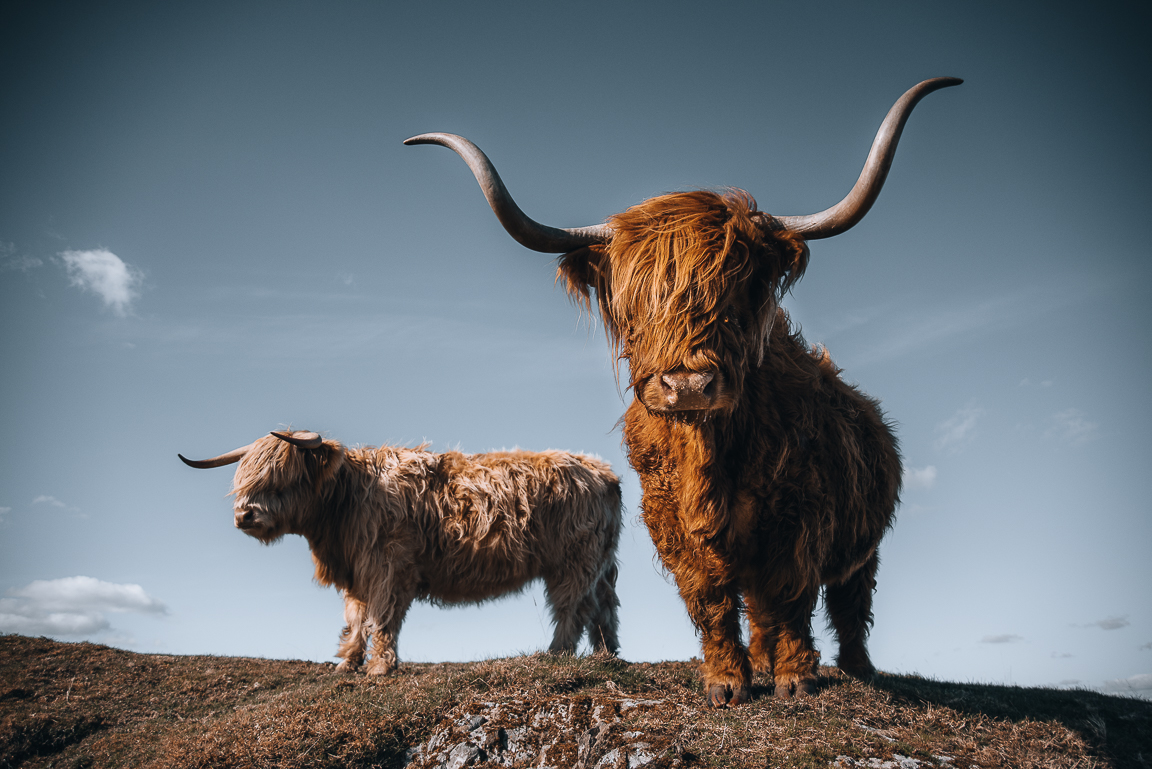
Bespoke travel experiences have become more and more popular over the past 25 years. The holidays that people book (and how they book them) have moved away from the traditional package holidays booked through high-street travel agents, replaced by customisable online booking experiences. People have also become more interested in going on a holiday with the sole intention of having a truly unique experience to share with others. So, what are bespoke travel experiences? Why have they become so popular?
Bespoke travel experiences are holidays that are customised to meet your unique desires for a trip. This includes having input over the location, accommodation, activities, and the duration. A bespoke trip offers a tailor-made itinerary that promises a truly unique experience.
Keep reading to find out more about bespoke travel experiences, and why they have become so popular in recent years.
What is a Bespoke Travel Experience?
In recent years, people have become far more conscious of how they are spending their time and money. In 2019, 81% of all holidays were booked online, and websites like ‘Booking.com’ allow various customisation options to plan the perfect holiday on a budget. You can now decide which flight provider to travel with, which airport to travel from, what time you leave and return, what accommodation you stay in, and you can even add vehicle rental during your stay, all booked online. Holidaymakers are looking for good value for money, whilst still having an enjoyable and memorable trip. This is where bespoke travel enters the picture. To ensure that you will receive the best trip possible, every element of a bespoke experience can be tailored to meet your unique desires.
Whether you are looking for a one day personalised tour starting from Glasgow, or a multi-day adventure taking you to the stunning photography opportunities of the highlands, a bespoke experience can give you the unique travel experience you are looking for.
What Makes a Bespoke Experience So Special?
With a bespoke trip, you are not just paying for the trip itself; you are also paying for the ability to share a unique experience with others. For example, there are areas of Scotland that may not occur to the average tourist visiting the country. By arranging a bespoke experience with the help of a seasoned tour guide, you can plan the journey of a lifetime to some of the most remote and scenic areas of the country. This way, you will be going on a trip designed specifically for you.
Is a Bespoke Trip More Expensive?
Bespoke trips can sometimes be slightly more expensive than an off-the-shelf package holiday due to the extra service provided to deliver a memorable experience. The extra work associated with planning and making necessary bookings to create a tailor-made experience can increase the cost slightly. However, it is worth remembering that at the end of the experience you will be left with memories that no one else will have. When working with a trustworthy and reliable company, you can be sure that your money will be well spent, and put towards crafting the perfect holiday just for you.
Bespoke Travel with Alba Experiences
Are you considering a bespoke experience for your next trip? Alba Experiences operate all over Scotland, offering a range of bespoke options to make your trip unforgettable. Your expert tour guide, James, will take you away from the beaten track to the most stunning areas of the country. Take a look at what our customers think! Contact us today to book your unique adventure, or take a look at our tours online.
-
The Best Opportunities for Scottish Landscape Photography
The Best Opportunities for Scottish Landscape Photography
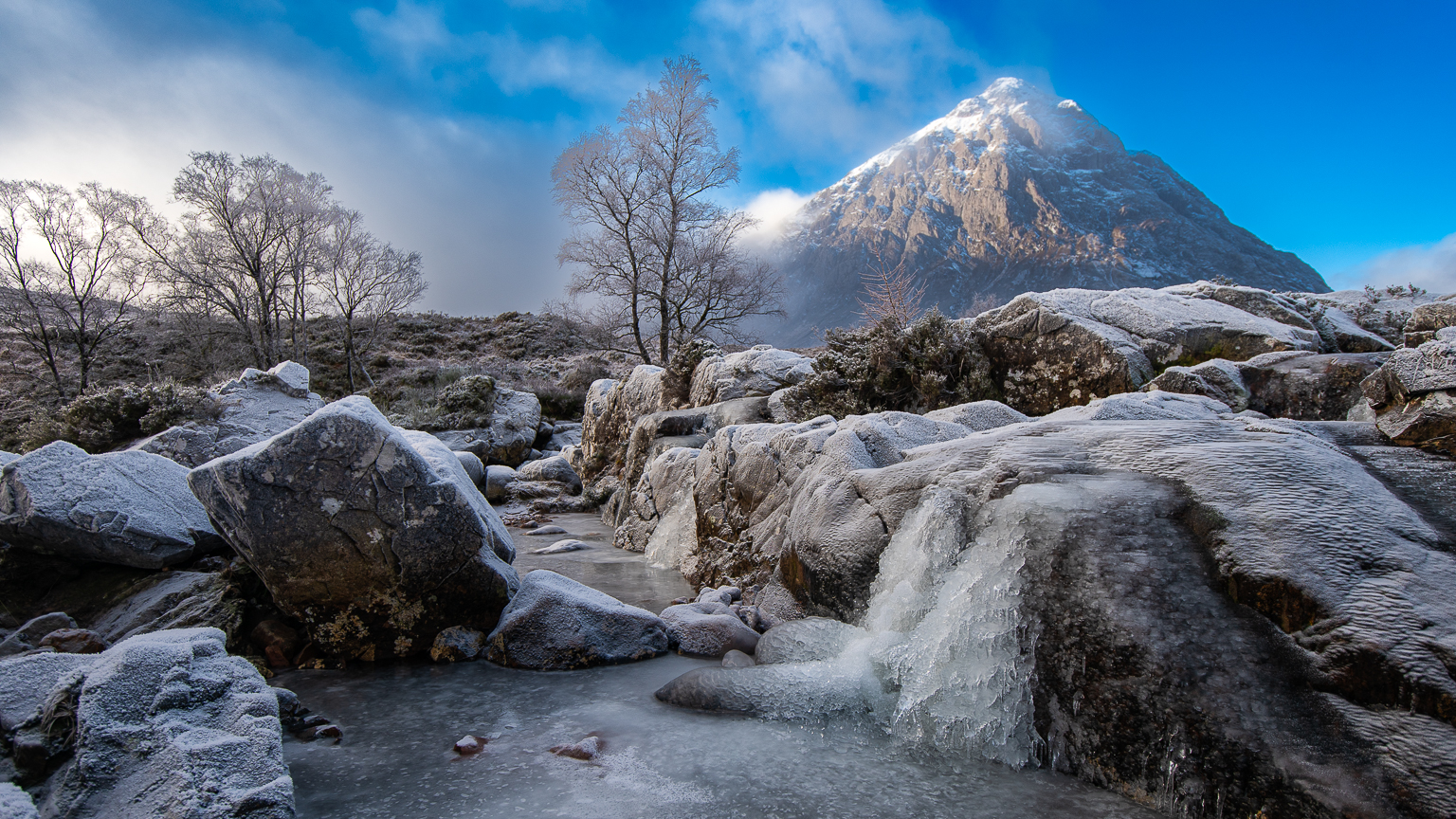
Scotland has some of the best photography opportunities available in the whole of the UK. The large number of islands, lakes/lochs, mountainous scenery and impressive coastline provide the perfect subjects for stunning Scottish landscape photos. So, where are the best opportunities for Scottish landscape photography?
Some of the best opportunities for capturing the astonishing Scottish landscape can be found in the areas of Glencoe, Eilean Donan Castle, a collection of photography spots on the Isle of Skye, Mangersta, and many more. To make the most of these areas, it is important to go on a photography trip prepared with the right equipment to get the perfect shot.
Keep reading to find out more about some of the best photography opportunities in Scotland, and how to make the most of these opportunities.
-
What Is The Best Month To Visit Scotland?
What Is The Best Month To Visit Scotland?
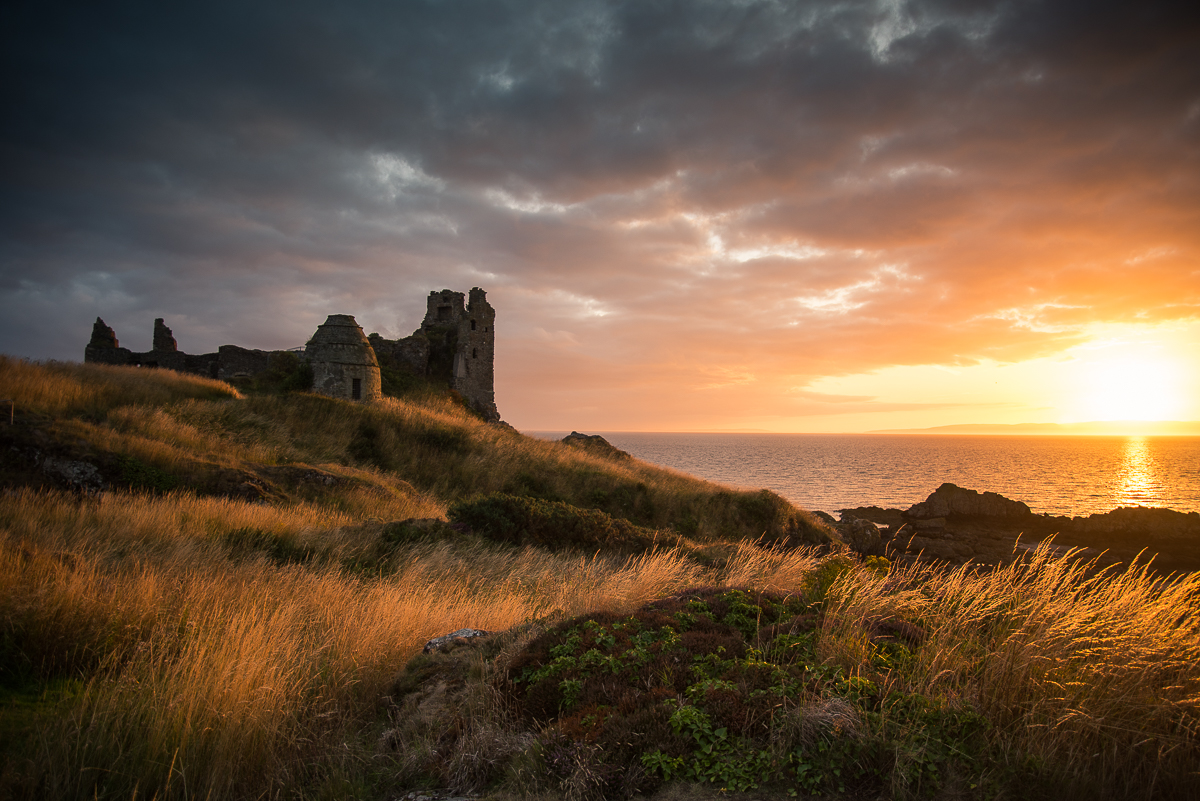
If you are planning a visit to Scotland, you might be wondering what the best month to visit is. As Scotland is bordered mainly by coastline, the weather is never guaranteed. Throughout the year however, there are a variety of festivals and celebrations, with some cities becoming swarmed by tourists. It is therefore important that before you visit Scotland, you consider the advice below. So, what is the best month to visit Scotland?
Spring and summer in Scotland bring the best weather and most festivals that Scotland sees all year. During winter months, you can expect cold weather and the popular celebrations of Burns night and Hogmanay. The weather begins to improve in Spring, and the Scottish Isles become a popular tourist destination. Summer brings with it the promise of midges, but also popular Edinburgh festivals such as the Fringe and the Military Tattoo. When Autumn comes around, you can expect picturesque foliage and Scotland’s most famous highland games, the Braemar Gathering.
Keep reading to find out more about Scotland’s seasonal trends including the wide range of festivals, and find the perfect time to visit.
What Is A Year Like In Scotland?
While there will always be things to do in Scotland during your visit, it may be worth considering some of the general trends in weather and tourism below before you book a trip. This way you can make sure that you will be getting a trip best suited to your interests and travel preferences.
December – February
If you visit Scotland during the winter months, you can expect challenging weather conditions. When planning a hiking trip in Scotland for the winter, it will be essential that you come prepared with reliable cold-weather gear, such as a durable pair of walking boots.
The landscapes that are produced from the cold weather present the perfect opportunity for photographers wishing to capture the beauty of the highlands. Similarly, during the off season you can expect the number of tourists to be minimal.
The popular celebration of Burns Night happens on the 25th of January, in celebration of the national poet Robert Burns. Hogmanay is a Scottish festival that marks the New Year, and is also an extremely popular celebration.
March – May
In Spring, the weather begins to improve in Scotland. While not all businesses will have reopened following the winter, a number of people frequently visit the Scottish Isles, especially during the months of April and May.
Snow should only be remaining on the Highlands and Cairngorms, and most ski resorts in the West Highlands close. April is typically the driest month for Edinburgh, and also brings the festival known as ‘Beltane’, a pagan fire festival.
June – August
The Summer months bring a number of large festivals to Scotland, not least the Edinburgh Fringe Festival, one of the most popular festivals in Scotland. The Fringe festival usually coincides with the Edinburgh Military Tattoo, which means that you can expect large crowds of tourists in Edinburgh during August.
The weather in Scotland is the best it ever gets during these months, however it is worth noting that the dreaded Scottish midges make their return during June.
September – November
September tends to be the wettest month in Scotland, and temperatures begin to drop. Schools also return, although you can still expect a busy period for tourism. While the weather may be taking a turn for the worse, there is no shortage of attractions, such as the Braemar Gathering, the most famous of Scotland’s Highland games. The autumn foliage also transforms Scotland into a sea of colours, and the slightly drier month of October offers quiet and scenic conditions for hikers.
What Is The Cheapest Time Of Year To Visit Scotland?
If you are looking to travel on a budget, Scotland offers a wide range of travel opportunities that don’t require you to spend large sums of money. For example, during the off season from November through to mid-March, you can expect less crowds, cheaper accommodation prices and more freedom to explore. The only exception to this rule is over the Christmas period, when Scotland becomes very busy in certain areas.
Book A Tour Of Scotland
No matter what time of year you are looking to book a visit to Scotland, we offer a range of tours suitable for everyone. Take a look at our available tours and contact us for more information or to make a booking.
-
Where is the Sunniest Place in Scotland?
Where is the Sunniest Place in Scotland?
Scotland’s weather is often considered to be quite changeable, and visitors often describe experiencing all four seasons in one day. While the climate itself is actually fairly moderate when compared with other countries in Europe, it is certainly true that some areas of Scotland have experienced more rainfall and lower temperatures than others. So, where is the sunniest place in Scotland?
Voted as the best place to live in Scotland in 2019 by the Sunday Times, the coastal city of Dundee is often cited as being the most consistently sunny place in the whole of Scotland. Dundee sees an average of 1,523 hours of sunshine per year, and was also named as Scotland’s driest city in 2018.
Keep reading to find out where the sunniest place in Scotland is, what a summer in Scotland is like, and how you can best prepare for your visit.
The Sunniest Place in Scotland
Officially, the sunniest month that Scotland has ever experienced occurred on the island of Tiree. During May 1946, Tiree received 329 hours of sunshine. This record has yet to be beaten, however Dundee is consistently recognised as the sunniest place in Scotland. In the winter of 2018-2019, Dundee was recorded as receiving more winter sun than anywhere else in the country during the winter months from December to February. During this time, Dundonians received just over 220 hours of sunshine, which is the third-sunniest winter in Dundee since James Hutton Institute records began in 1954.
Scotland’s east coast frequently receives far less rainfall than the west coast, making it a more favourable destination for holidaymakers.
What is Summer in Scotland like?
June, July and August all tend to deliver the warmest temperatures and sunniest conditions in Scotland compared to the rest of the year, with temperatures typically ranging from 15-17°C. Greycrook, near Kelso, currently holds the record for the highest temperature in Scotland with 32.9°C recorded in August 2003. Due to Scotland’s high latitude, summer days tend to be longer than other areas of the UK. For one day a year, during midsummer, the Northern Isles of Scotland can experience four hours more daylight than London.
Glasgow
Glaswegian summers tend to last for around three months, with temperatures averaging highs of 16°C. Usually, the hottest month for Glasgow is July with an average high of 19°C.
Edinburgh
The average high temperature for Edinburgh during the summer is 19°C, with the hottest months being July and August. While temperatures have been known to reach 31°C, Edinburgh tends to experience fairly mild summers.
Isle of Skye
The Isle of Skye usually experiences slightly colder summers compared to Edinburgh and Glasgow, with the hottest month of July bringing high temperatures of 13°C.
Best Places to Visit During Summer
Just south of Edinburgh, the coastal town of Dunbar also boasts higher temperatures and lower rainfall than other parts of Scotland, and is even referred to by some as ‘Sunny Dunny’. With picturesque beaches, eateries, and shops, Dunbar is enjoyed by many both local and non-local visitors during summer months. For more scenic landscapes in Scotland, the Isle of Skye also offers the perfect getaway for budding photographers and hikers alike.
How to Prepare for Your Visit to Scotland
When you are booking your trip to Scotland, it is important to make sure that you are prepared. Otherwise, you could be caught in difficult weather conditions without the right clothing to keep yourself warm and dry.
‘There’s no such thing as bad weather, just the wrong clothing’. – Billy Connolly
Check the Weather
No matter where you are visiting in Scotland, be sure to check the Met Office before your visit. This should give you accurate information regarding the predicted weather conditions during your stay.
Pack the Right Clothing
Once you have checked the weather forecast, you should get a general idea of what the weather conditions should be like during your stay. However, as mentioned above, the Scottish climate is nothing if not changeable! Remember to pack suitable clothing so that you are prepared for a range of conditions.
Midge Protection
Midges are particularly prevalent in Scotland during the summer months. If you are looking to avoid midges, you should endeavour to visit windy, dry and warm areas of Scotland.
Book your Tour of Scotland Today
If you are looking for a summer getaway to explore some of the most scenic areas of Scotland, be sure to contact us today. James, your tour guide, has extensive experience with providing his clients with top-quality experiences. Take a look at our full range of available tours on our website to find your perfect trip.
-
What is the Best time of Year in the Scottish Highlands?
What is the Best time of Year in the Scottish Highlands?
The Scottish Highlands, with their rugged landscapes, mystical allure, and rich history, have long captivated the imagination of travellers. Each season brings its own charm to this remarkable region, including the enchanting autumn and winter months. As the summer crowds fade away and the landscape transforms into a canvas of golden hues and snowy vistas, the Scottish Highlands offer a unique and cosy experience that is truly unforgettable.
So, when really is the best time of year to visit the Scottish Highlands? The answer truly depends on what type of highlands experience you’re looking for. Spring and summer offer warmer, brighter days. While autumn and winter provide colourful, cosy, blissful experiences.
The Scottish Highlands, with their timeless beauty and captivating charm, are a destination that speaks to the soul. Whether you’re gazing at the mist-shrouded Loch Ness on a bright summer’s day, sipping hot chocolate by a crackling fire in winter, or wandering through a forest adorned in autumn hues, the Scottish Highlands are a journey into the heart of nature’s wonders. So, bundle up, embrace the seasons, and discover the enchantment that awaits in this land of myth and legend.
What are the Scottish Highlands Like in Spring?

As the grip of winter loosens its hold, the Scottish Highlands come to life with the refreshing burst of energy of Spring. From longer days to the awakening of local wildlife, this month truly offers a captivating experience. From bursts of blossoms as far as the eye can see, to a sea of bluebells; if it’s colour you’re looking for as a part of your highland experience, then visiting in spring is truly for you.
Birdwatching Opportunities
If you’re a lover of our feathered-friends, visiting Scotland in the springtime will offer a wealth of opportunities for you. This region has become well-known for its variety of bird species, including birds of prey such as the Ospreys, to the Slavonian Grebe, and even world-famous Puffins. The RSPB Nature Reserve at Forsinard Flows is one of Scotland’s most protected natural areas, which offers the opportunity for bird-lovers to get up-close to Scotland’s native birds while witnessing rare courtship displays or nesting behaviours.
Spring festivals and traditions
Looking to experience a glimpse of Scottish culture? Then exploring these unique landscapes in spring will offer you a variety of games, experiences and festivals. The Beltane Festival, an ancient Celtic festival, brings together locals and visitors alike to experience the Beltane Fire Festival, theatrical performances, unforgettable visuals and more. Held on the 1st of May, this festival celebrates the return of light and the new season, and the official end of winter. To ensure that you’re able to enjoy the Beltane Festival, it’s advised that you book your tours in advance.
Should you visit the Scottish Highlands in summer?

When the gleam of summer finally comes around, the Scottish Highlands is the place to be. From lush, colourful landscapes to the charm of the Lochs, you’ll be provided with some of the world’s best landscapes all with the guarantee of longer days and mild weather. While Scotland can’t guarantee you a rich, tropical paradise in summer, it can promise you an enchanted experience. From the mystery of the monster of Loch Ness to ancient rituals, the Highlands in summer is a testament to true beauty and the vibrancy of nature.
The Gathering of the Clans
The Braemar Gathering is the most prestigious Highland games. Hosted against the backdrop of the Cairngorms National Park, the games feature a variety of athletic contests, bagpipe performances, traditional Scottish dancing and more. Often attended by members of the Royal Family, this is a must-see summer event if you’re planning to enjoy Scotland in the summer.
The Loch Ness Monster
Summer provides the ideal weather for monster hunting, making Loch Ness a perfect place to visit during the warmer months. Blooming with summer wildflowers, you’ll enjoy the glistening loch surrounded by a wealth of colours. Whether you’re exploring the castle ruins or attempting to catch a glimpse of Nessie, the magical experience of Loch Ness is one not to be missed.
Why Should You visit the Scottish Highlands in Autumn or Winter?

In the Scottish Highlands, both autumn and winter offer a unique opportunity to embrace the magic of the land in a more intimate and profound way. As the seasons change, the Highland landscape undergoes a transformation that is not only visual but also spiritual. The connection between the land, the seasons, and the people becomes palpable.
A Journey Beyond the Senses
Exploring the Scottish Highlands in autumn and winter is not just about what one sees; it’s about what one feels. The crispness of the air, the earthy scent of fallen leaves, the touch of frost on a branch—these sensations awaken a deep sense of connection to nature. Whether it’s hiking through a snow-covered glen or strolling through a park blanketed in autumn leaves, each step is a journey beyond the ordinary.
A Canvas of Colour
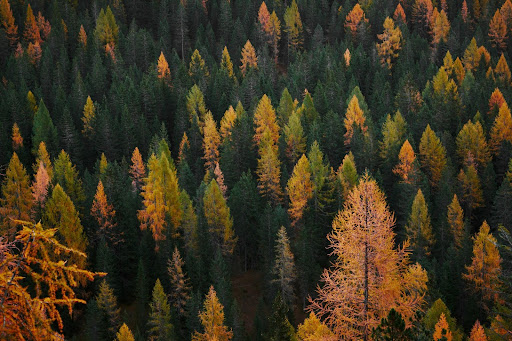
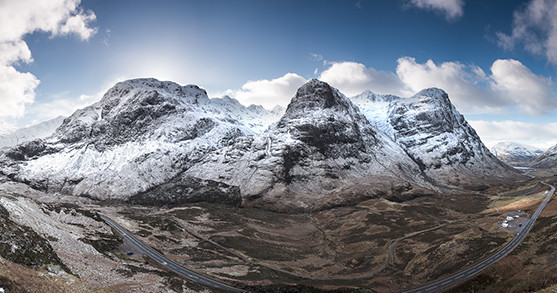
The Highlands cover a vast expanse of land, meaning that when Autumn casts its spell, the land transforms into rich colours of red, orange and yellow. This dramatic change of scenery is a must-see, especially for those who enjoy photography or muddy walks. To experience the Autumn foliage in full, exploring the Three Sisters of Glencoe is essential. These majestic three peaks reward their climbers with a display of autumn in full view.
Practical Considerations for Autumn and Winter
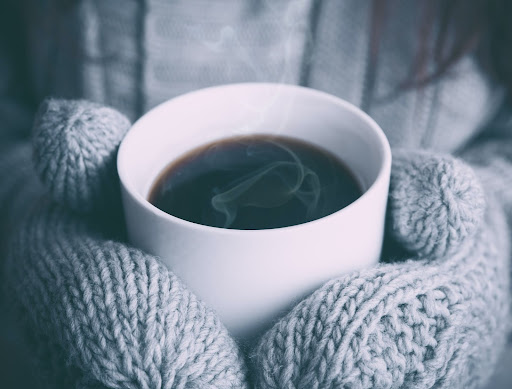
While the allure of the Scottish Highlands in autumn and winter is undeniable, there are some practical considerations to keep in mind. The weather can be unpredictable, with rain, snow, and chilly temperatures being common. It’s essential to dress in layers and come prepared for changing conditions.
Accommodation and activities can also vary during these seasons. Some attractions might have limited hours or be closed, so it’s advisable to plan ahead and check for any seasonal changes in advance.
Book your Scottish tours for Autumn and Winter with Alba Experiences
If you’re looking to enjoy private tours of the Scottish countryside, then you’re in the right place. At Alba Experiences, we specialise in creating the perfect and most magical experience to discover these beautiful locations. To learn more about who we are, simply explore our website to discover what adventures we have to offer. Whether you’re staying in Edinburgh or Glasgow, we’ve got you covered. Alternatively, contact us today to speak to one of our helpful team members to find exactly what type of Scottish experience you’re looking for.